
Vincente Vigil
District Court Judge, 19th Judicial District
November 2026
Download This Article (.pdf)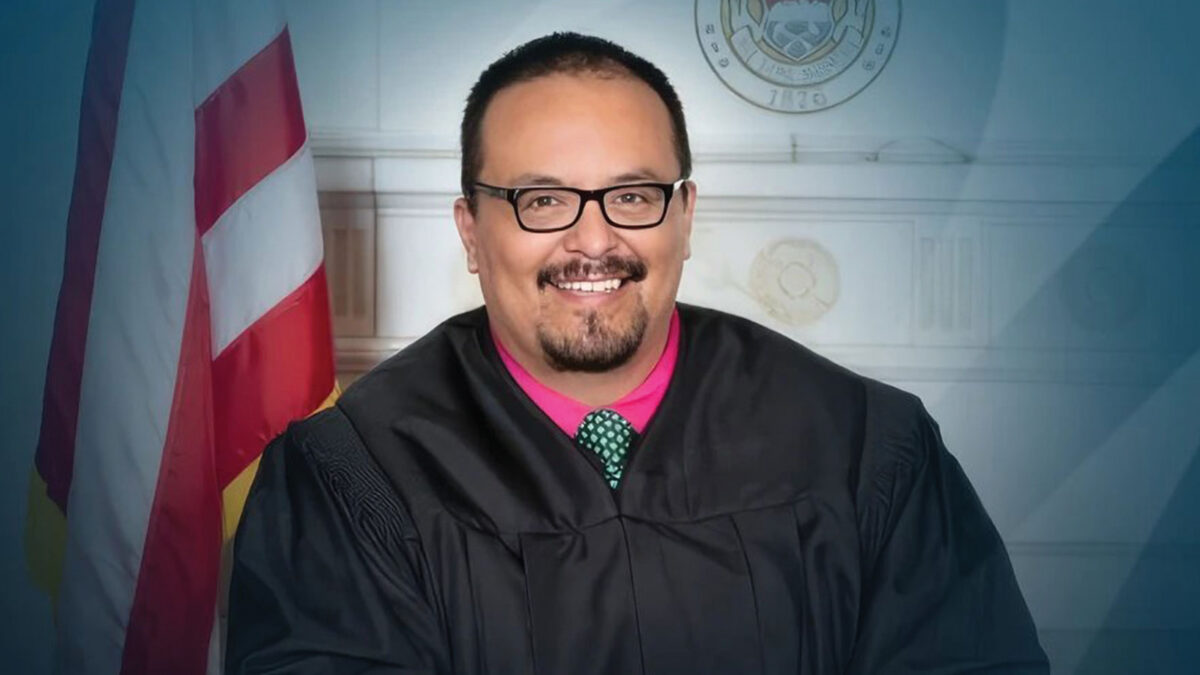
The Colorado Bar Association and the Colorado Judicial Institute’s Diversity on the Bench Coalition are proud to present this series highlighting judges who serve communities across Colorado. Through these profiles, readers can learn more about the people behind the bench—their backgrounds, career paths, and the experiences that shaped their judicial service.
This month, the coalition is pleased to feature Judge Vincente Vigil, who has served as a district court judge for Colorado’s 19th Judicial District (Weld County) since his appointment in 2019. We are grateful to Judge Vigil for sharing his story and hope it inspires students, future lawyers, and others interested in public service. If you enjoyed this profile, we encourage you to share it with colleagues, students, and members of your community.
If you’re interested in meeting or speaking with Judge Vigil, please contact coalition co-chairs Judge Cynthia D. Mares (ret.) or Judge Mariana Vielma at diversity@cobar.org.
Roots and Beginnings
Judge Vincente Vigil grew up in La Salle, a small town in Northern Colorado. His father worked on a traveling carnival, so Judge Vigil spent part of his childhood on the road, although La Salle remained his family’s home base. While his childhood presented many challenges, some of his most positive memories came from traveling with his father. Judge Vigil credits his father with teaching him the value of reading, listening to the experiences of others, and approaching life thoughtfully. Because he grew up Chicano, poor, and connected to the carnival community, he and his family often felt like outsiders, even among other marginalized communities. However, Judge Vigil believes that this perspective has served him well throughout his life.
Judge Vigil initially assumed that he would spend his life working on the carnival alongside his father and siblings. School was not a major part of his early life, and he eventually dropped out. He later held a range of jobs, including janitorial work, positions at a beef processing plant, and restaurant roles as a dishwasher and cook. However, as his younger nieces and nephews grew older, Judge Vigil began thinking about the educational opportunities available within his family.
Few members of his family had graduated from high school, and no one had graduated from college. Wanting to help change that pattern, he returned to school, earned his GED, and began taking classes at a local community college. Financial responsibilities sometimes required him to withdraw from school after a semester to focus on work. Nevertheless, he remained determined to continue his education, and 10 years after earning his GED, Judge Vigil graduated from Colorado State University with his undergraduate degree.
Motivation to Attend Law School
Judge Vigil describes his decision to attend law school as somewhat abrupt and unexpected. At the time, he was exploring several graduate school options, including earning a master’s degree in library science. He was also interested in postponing repayment of his student loans while continuing his education. The University of Colorado Law School was the first institution to respond to his applications and offered him scholarship assistance. Judge Vigil accepted the offer and began a path that would eventually lead him to the bench.
Overcoming Barriers
Judge Vigil approaches conversations about overcoming obstacles with care. His life has been shaped by poverty, race, ethnicity, rural upbringing, and other circumstances associated with limited privilege. However, he cautions against presenting professional success solely as the result of extraordinary individual talent or determination. He believes that focusing too heavily on personal accomplishment can unintentionally diminish the experiences of community members who faced similar barriers but did not receive the same opportunities. “I am not a judge because I am exceptionally intelligent, talented, or possess some quality that others lack,” Judge Vigil explained. “I am a judge because I have been lucky to a statistically unlikely degree throughout the course of my life.”
Judge Vigil recognizes that many people he grew up with were affected by incarceration, substance abuse, poverty, and other adverse experiences created or intensified by structural inequality. He does not believe he was more intelligent than friends who entered the criminal justice system or more hardworking than his parents, who supported five children. Instead, he acknowledges that fortunate circumstances helped him reach important crossroads in his life. Although he is proud of what he has accomplished, Judge Vigil believes that personal success should not distract from addressing the structural inequities that have affected the Chicano community and other marginalized communities for generations.
Building Expertise
After graduating from the University of Colorado Law School, Judge Vigil worked as a public defender for several years. He later entered private practice, where he primarily handled criminal defense matters. Much of his legal work took place in Weld County, the same community in which he was raised. Judge Vigil considers himself fortunate to have served his home community as an attorney and believes that this work naturally evolved into his service as a judge. His experience representing people accused of crimes gave him direct insight into how defendants and families experience the justice system. It also helped prepare him to understand the responsibility judges bear when making decisions that deeply affect individuals and communities.

Community Involvement and Leadership
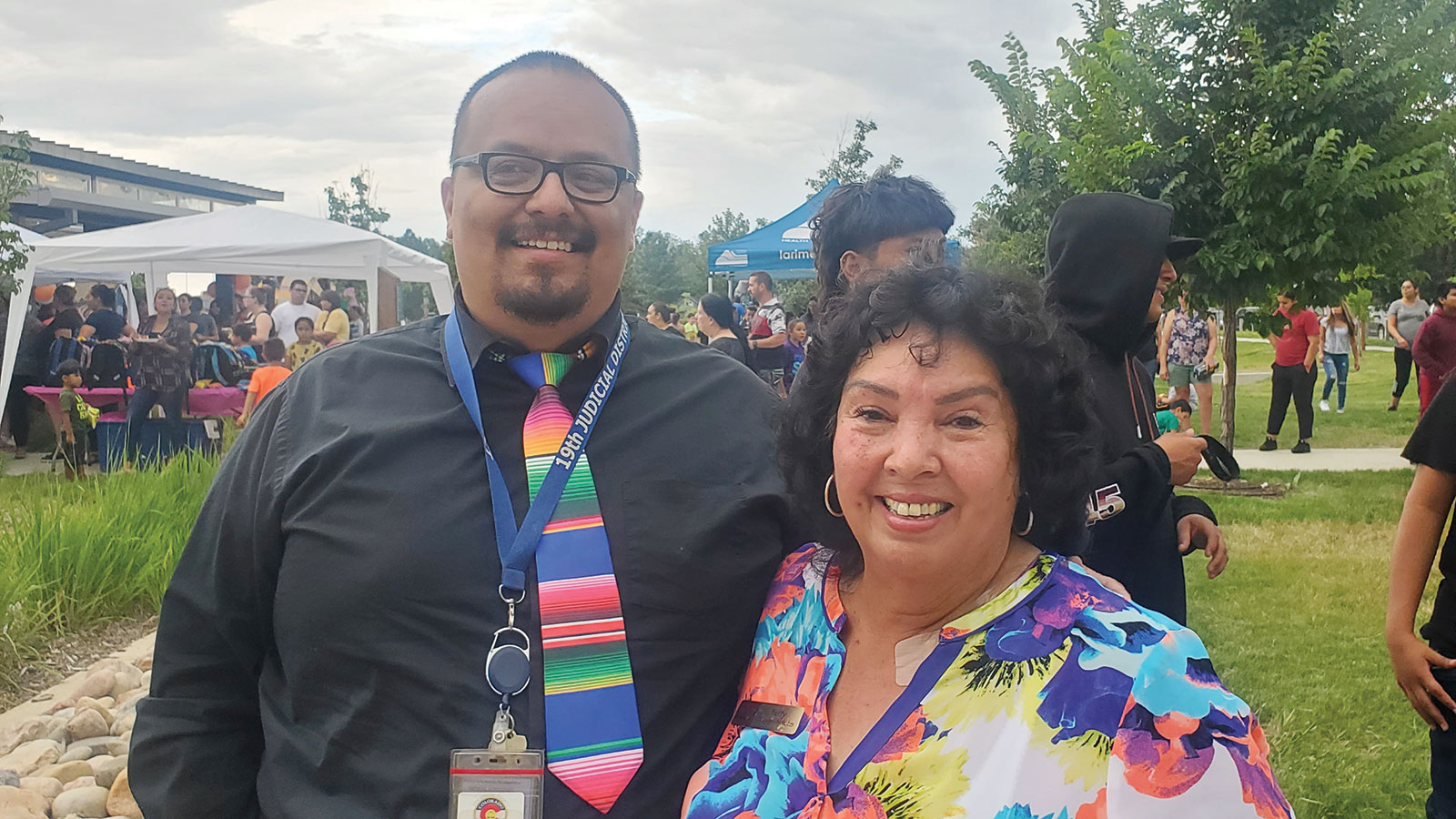
Judge Vigil remains actively involved in both his community and the legal profession. He has participated in the Colorado Hispanic Bar Association, particularly through its Judicial Task Force, which works to increase Latino and Latina representation within Colorado’s judiciary. He has also served on the University of Northern Colorado’s Hispanic Advisory Council, which advises the university president on issues affecting Latino/a students and the surrounding community. In addition, Judge Vigil participates in the Judicial Equity Project, an initiative involving Colorado judges and other Judicial Branch employees committed to fostering ongoing conversations about equity within the judicial system. Judge Vigil considers this work deeply meaningful and feels fortunate to contribute his voice to conversations about representation, opportunity, and fairness.
Striving for Diversity
For Judge Vigil, diversity on the bench is closely connected to the broader goals of representative democracy. Many communities that have historically experienced oppression do not see themselves meaningfully represented within government institutions, including the judicial system. A lack of representation can prevent communities from having a functional voice in how laws and government institutions affect their lives. Judge Vigil believes greater representation is necessary to address inequities connected to historical oppression, colonialism, slavery, the displacement and genocide of Native peoples, and other events that deprived communities of power and agency.
When Judge Vigil was appointed, he was only the second Chicano judge appointed to the district court bench in Colorado’s 19th Judicial District, despite the long-standing presence of Mexican and Chicano communities in the area. “We should all be disappointed in the rarity of that occurrence,” he stated. The 19th Judicial District is also home to significant refugee and immigrant populations from around the world. Judge Vigil hopes the children and grandchildren of those who establish homes in the community will grow into its future leaders, including judicial officers.
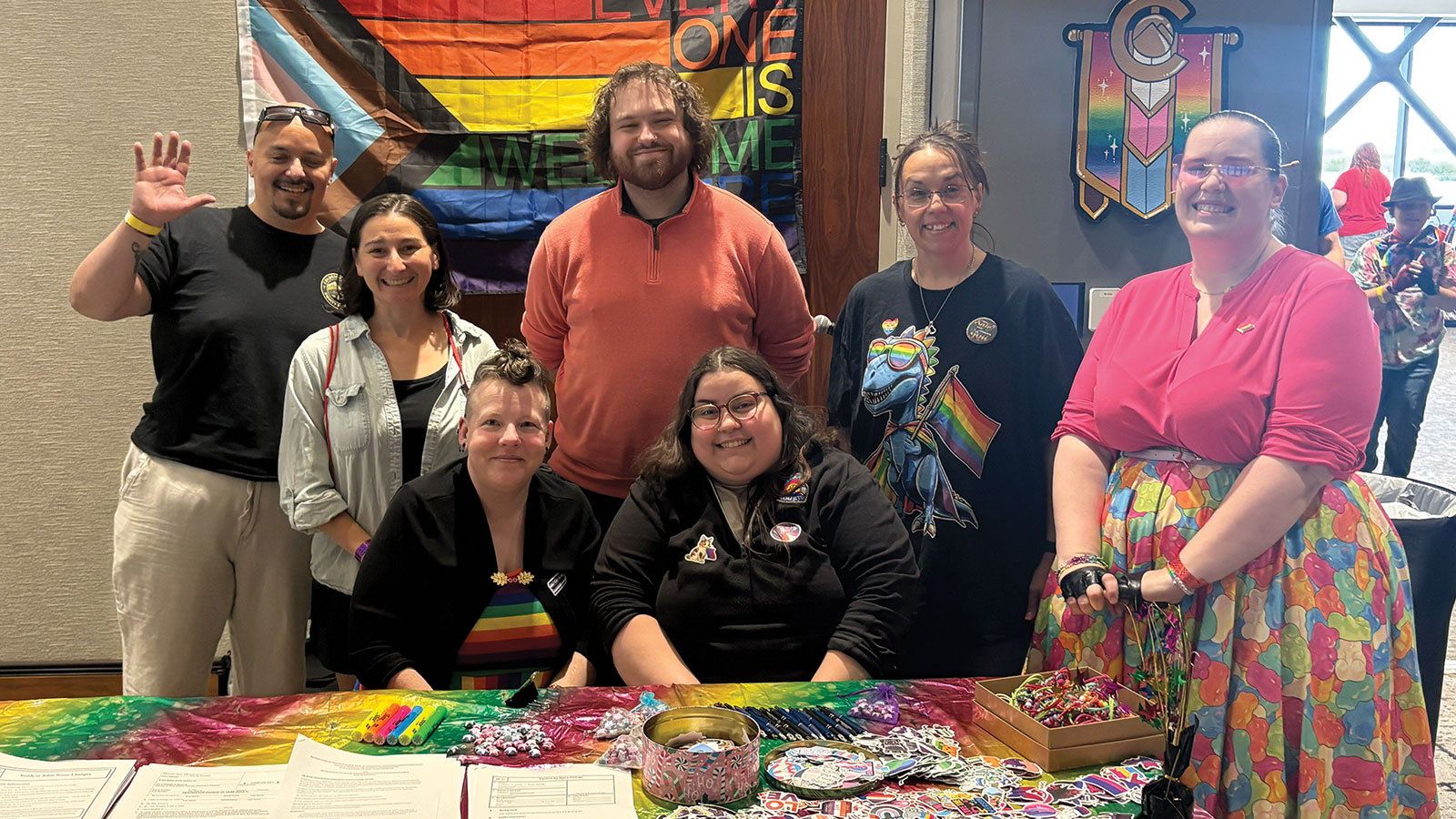
Judge Vigil believes current judicial officers can help increase diversity by supporting the work of diversity bar associations and mentoring diverse law students. Mentorship helps students develop professional support networks, succeed within the legal field, and become competitive judicial candidates in the future. He also emphasizes the importance of supporting diverse judges who are already serving on the bench so that the judiciary can retain talented judicial officers.
Fairness, Equity, and the Role of the Courts
Judge Vigil believes judges must not become passive participants within the judicial system. Accepting a judicial position carries with it a responsibility to continually improve how the justice system interacts with the people of Colorado. “Our branch is a conversation,” Judge Vigil explained. “If we do not participate in that conversation, we cannot fulfill our basic charge to ensure that our system of justice equitably exercises the laws of the state.”
Judicial officers must remain engaged in discussions about equity, access, and the effects court procedures have on the communities they serve. For Judge Vigil, administering justice fairly requires judges to examine existing practices and actively seek opportunities for improvement.
Encouraging Future Leaders
Judge Vigil encourages lawyers and law students to approach the judiciary as thoughtful critics who recognize that the courts can and should improve. “Come to the bench as a critic, as someone who sees the bench as a place that can be improved with ideas on how to improve it,” he advised. He believes the judiciary is healthier when judges are not overly comfortable with existing practices and continuously strive to strengthen the institution. Regardless of a person’s priorities or beliefs about the justice system, Judge Vigil believes there are productive ways to remain true to those principles while serving on the bench.
Rewards and Challenges
Judge Vigil recognizes that public service often requires personal sacrifice, and judicial service is no exception. The workload can be demanding and may require late nights and weekends.
Despite those challenges, Judge Vigil feels fortunate to support his family while helping resolve problems within his community. He hopes to contribute to a judicial environment in which justice is administered more humanely than it has been historically. “I try every day to make the courthouse a less terrifying place for the community,” he stated. “I hope by the end of my career that the community can see the results of my efforts.”
Judge Vigil also believes judges have an obligation to educate themselves about equity. Rather than placing the burden on marginalized communities to repeatedly prove the value of diversity, judicial officers should take responsibility for understanding the communities they serve and meeting people where they are.
Making a Difference
Judge Vigil recalled a case involving a man accused of committing a serious crime after someone directed a racial slur toward him. During sentencing, Judge Vigil shared a personal experience involving a racial incident that affected his sister and occurred around his daughter’s birthday party. Judge Vigil spoke openly about the pain caused by racist language and acknowledged that he had nearly reacted with the same feelings of rage, hurt, and violence. This vulnerability allowed Judge Vigil and the defendant to have an honest conversation about what it feels like to be a person of color subjected to racial hatred. Judge Vigil believes the sentencing experience may have been very different if the defendant had appeared before someone unfamiliar with that kind of harm.
The defendant thanked Judge Vigil for being vulnerable with him. Judge Vigil hopes the interaction reduced some of the distance the man felt between himself and the bench and gave him greater confidence that the judicial system can become better than its history might suggest.
Judge Vigil’s path demonstrates that there is no single route to the legal profession or the judiciary. From leaving school and working in restaurants to earning his GED, graduating from college, becoming a public defender, and eventually serving his home community as a judge, his experiences continue to shape his commitment to thoughtful, equitable, and humane justice.
Explore This Issue

The Colorado Attorneys’ Fund for Client Protection
Professional Conduct and Legal Ethics
By Erin Robson Kristofco