

The Colorado Attorneys’ Fund for Client Protection
Protecting Clients and the Integrity of the Legal Profession
November 2026
Download This Article (.pdf)
This article discusses the Colorado Attorneys’ Fund for Client Protection, which reimburses clients harmed by attorney dishonesty. The Fund was created in 1999 to preserve public trust and uphold the legal profession’s integrity.
Serious attorney discipline cases, particularly those resulting in disbarment, sometimes make headlines. But the behind-the-scenes work in making sure clients get back the unearned fees they paid attorneys in advance is equally vital to protecting the public and safeguarding the integrity of the profession. The Colorado Attorneys’ Fund for Client Protection (the Fund) is the cornerstone of that effort.
The Colorado Supreme Court established the Fund to reimburse clients who suffer a loss of money or other property from the dishonest conduct of their attorney.1 Over its 27-year history, the Fund has paid more than $8.6 million to clients harmed by their attorney.2 The Fund also may pay claims in certain circumstances when an attorney has died or become disabled.3 Payment from the Fund is a remedy of last resort for clients who cannot be recompensed from other sources, such as from insurance or directly from the attorney involved. Before being entitled to payouts from the Fund, claimants are expected to make reasonable efforts to collect from these other sources.4
The Fund was established because the legal profession depends on the trust of clients. In the small number of cases where attorneys betray that trust and improperly handle client funds or property, it is important that the legal profession’s reputation for honesty and integrity be safeguarded, including by helping injured clients recover their losses. The Fund is financed by a portion of the annual registration fees that lawyers and licensed legal paraprofessionals (LLPs) pay to maintain an active Colorado license.5 Twenty dollars from each lawyer’s6 and LLP’s7 active registration fee goes into the Fund. None of the money in the Fund comes from client fees or tax dollars. Accordingly, it is the Colorado legal profession itself that compensates clients for dishonest actions by its members.
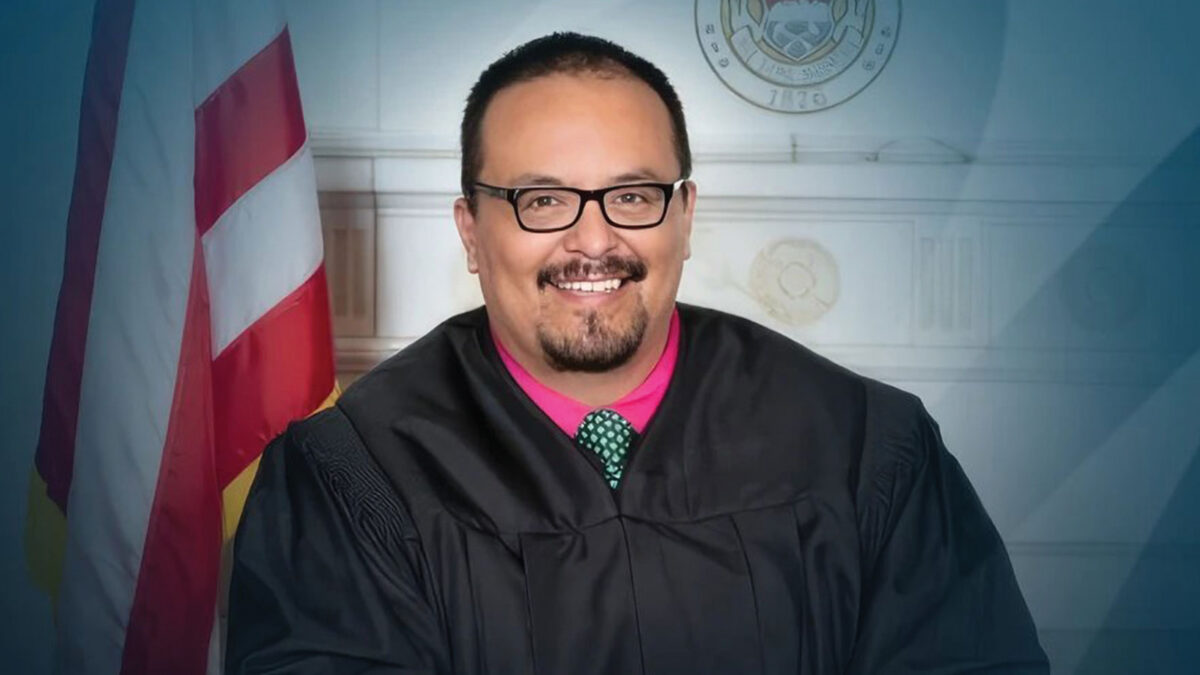
The Fund is administered by a board of seven trustees appointed by the Colorado Supreme Court.8 The board is composed of both attorneys and non-attorneys from all areas of Colorado and serves without compensation as a public service.9 Current board members are Judge Adam J. Espinosa (chair); Allison L. Gambill, Esq. (vice chair); Sonnie Fleming, LLP; Wesley D. Hassler, Esq.; Corelle M. Spettigue, Esq.; Elizabeth VanBroekhoven, CPA; and Kimberly Van Dyke, Esq.10 The Colorado Supreme Court Office of Attorney Regulation Counsel (OARC) provides administrative and investigative assistance to the board.11 Ultimately the board is responsible for claim decisions, which are final and cannot be appealed.12
What Kinds of Losses Are Covered?
The Fund covers losses caused by the dishonest conduct of an attorney who is licensed to practice law by the Colorado Supreme Court. The attorney must have served the client as an attorney or in a court-appointed fiduciary relationship.13
Under CRCP 252.1(c), all rules pertaining to the Fund also apply to LLPs, a new type of licensed legal practitioner in Colorado. Clients of LLPs may make claims on the Fund consistent with Rule 252, and LLPs have all the same obligations as attorneys in responding to such claims.14
For most payouts, claimants must show (1) they paid their attorney or LLP fees, (2) the fees were never earned by the attorney or LLP, and (3) the attorney or LLP then misappropriated them.15 For example, eligible claims might stem from:
- an attorney or LLP taking and keeping a retainer despite knowing that services cannot, or will not, be performed;16
- an attorney or LLP accepting settlement funds to hold for distribution to their clients but instead misappropriating them;17 or
- an attorney or LLP misappropriating funds for the purpose of making an investment on behalf of the client.18
In addition, eligible claims can sometimes occur where no misappropriation has been proven. For example, the Fund may pay a claim when a client’s retainer or settlement funds are no longer in an attorney’s or LLP’s trust account and that attorney or LLP has died or become disabled and there is no way to determine whether the funds were earned or misappropriated.
OARC and Inventory Counsel Recover Money for the Fund
Inventory Counsel is an appointed attorney who winds down a law practice by reviewing client files, protecting client interests, and disbursing trust funds.19 OARC may file a petition for appointment of Inventory Counsel when an attorney can no longer perform their duties to clients because the attorney (1) has been transferred to disability inactive status, (2) has disappeared, (3) has died, or (4) has been suspended or disbarred, and no other responsible party capable of conducting the attorney’s affairs is known to exist.20 Through CRCP 241.1, that process is also available for similarly situated LLPs. Inventory Counsel must be an actively practicing lawyer licensed and in good standing in Colorado, which includes attorneys employed by OARC.21
The Fund helps pay for the activities involved in inventorying an attorney’s books and records, as well as determining if monies in the attorney’s account should be paid directly to the attorney’s former clients or be used to reimburse the Fund for amounts paid to clients.22 Pursuant to CRCP 244 et seq., Inventory Counsel reviews the attorney’s client files and takes steps necessary to protect the interests of the attorney and that attorney’s clients with respect to those files and other client property that was in the attorney’s possession at the time of Inventory Counsel’s appointment. As part of their duties, Inventory Counsel may seek a court order to disburse funds held in an attorney’s trust account.23
For example, in 2025 Inventory Counsel remitted $14,398.99 to the Fund from the trust accounts of deceased attorneys to reimburse the Fund for claims paid to clients of those deceased attorneys.24
Colorado Lawyer Trust Account Foundation
In January 2024, Jordan Bates-Rogers assumed the role of executive director of the Colorado Lawyer Trust Account Foundation (COLTAF) and the Legal Aid Foundation of Colorado.25 COLTAF is a nonprofit organization that administers Colorado’s Interest on Lawyers’ Trust Accounts program, funding civil legal aid, pro bono work, and improvements to the justice system. COLTAF aggregates interest from client trust accounts and turns those funds into grants for legal service.26 Colorado lawyers must hold unearned client funds in an interest-bearing or dividend-paying trust account.27 OARC and Inventory Counsel work with COLTAF to determine what funds remain in an attorney’s trust account after they have become disabled or are deceased.
Pursuant to Colo. RPC 1.15B(k), if a lawyer does not know the identity or the location of the owner of funds held in the lawyer’s COLTAF account, or the owner of the funds is deceased, the lawyer must make reasonable efforts to identify and locate the owner or the owner’s heirs or personal representative. If the lawyer cannot determine the identity or the location of the owner, or the owner’s heirs or personal representative, the lawyer must either (1) continue to hold the unclaimed funds in a COLTAF or other trust account or (2) remit the unclaimed funds to COLTAF in accordance with written procedures published by COLTAF and available through its website or upon request.28
According to OARC records, from January 1, 2022, through December 31, 2025, COLTAF received $57,185 from Inventory Counsel, remitted as unclaimed funds. Funds remitted to COLTAF may be returned to the owners, including clients, if the owners can be determined and located. But when the clients’ identity cannot be determined, those funds are submitted to and held in trust by COLTAF and may fund grants for legal services.29
Repayment Before Reinstatement
When an attorney is found to have engaged in reckless or knowing conversion of client funds, which typically results in a lengthy suspension or disbarment, their clients often suffer significant financial harm. To help make affected clients whole more quickly, the Fund may pay claims even when the disciplined attorney is under an order of restitution but has not repaid the client. When that occurs, the attorney is notified that they must repay that amount to the Fund before they can be reinstated to the practice of law in Colorado.30 Interest does not accrue on amounts owed.31 Under CRCP 242.39(b)(3)(C), an attorney petitioning for reinstatement must include “a statement showing the amount and source of funds the petitioner used to pay restitution to any persons or to the Colorado Attorneys’ Fund for Client Protection[.]”
The requirement that disciplined attorneys repay the Fund before reinstatement is a powerful incentive for repayment. Per OARC’s records, from January 1, 2022, through December 31, 2025, disciplined attorneys paid back $49,088.12 to the Fund.
National Support for the Fund
Two national organizations—the National Client Protection Organization, Inc. (NCPO) and the National Organization of Bar Counsel (NOBC)—support the longevity of the fund. The NCPO is a nonprofit membership corporation serving as both an educational resource and a forum to exchange information among law client protection funds throughout the United States and Canada.32 NCPO strives to help and support client protection funds and programs around the country to protect legal consumers from dishonest conduct in the practice of law.33
The NOBC was formed in 1965 to improve the professionalism and effectiveness of attorney disciplinary counsel throughout the United States.34 NOBC membership has grown to include discipline and attorney ethics counsel from over 75 state, local, and federal attorney regulatory agencies in North America.35
Colorado has nearly 30,000 active attorneys.36 States with similar numbers of active attorneys have similar total payouts from their respective client protection funds. For example, in 2025:
- Colorado’s Fund paid $225,198.75 to clients who suffered the loss of funds paid to their attorney;37
- Connecticut’s fund approved reimbursements totaling $227,851.28;38
- Minnesota’s fund paid claims totaling $110,117.60;39 and
- North Carolina’s fund reimbursed claimants a total of $120,442.40
Like many states, Colorado’s total claims paid vary from year to year. For example, in 2024 Colorado’s Fund paid $67,672 in claims,41 and in 2023 it paid $96,985 in claims.42 However, the steady infusion of $20 from each active registration fee keeps the Fund healthy. And the board has procedures to consider delaying portions of sizable claims if appropriate for the health of the Fund.43
OARC regularly sends board members and its attorneys to NCPO conferences to learn new ideas and share information with other states. OARC attorneys often attend and speak at NOBC roundtables regarding successes and difficulties with client protection funds. States in attendance share best practices for maintaining the health of their client protection fund, investigating claims, and reducing losses to clients. For example, many states worry about the prospect of one or two large claims wiping out their entire client protection fund. One way to guard against this risk is through early detection of trust account overdrafts. Colorado is among states that require banks administering client trust accounts to automatically report overdrafts to OARC, which then investigates with the named attorney what triggered the bank notification.44 This requirement ensures that trust account overdrafts are addressed promptly, often before large losses occur. As active members of NOBC and NCPO, OARC attorneys learn and share similar strategies with bar counsel around the country to reduce the number and severity of losses due to attorney misconduct.
Protecting the Integrity of the Legal Profession
Board members and OARC attorneys and staff uniformly report that their work for the Fund is among the most rewarding work they do. The ability to make a client whole after their attorney misappropriates their money is powerful and fulfilling, and doing so often restores the client’s faith in the legal profession. OARC routinely receives letters and emails from Coloradans expressing gratitude to OARC and board members for the meaningful difference the Fund made in their lives.
The legal profession depends on the trust of clients. The Colorado Attorneys’ Fund for Client Protection safeguards an important part of the public’s trust in attorneys, LLPs, and the legal profession as a whole.
More information about the Fund is available at www.coloradolegalregulation.com. Navigate to Public > File a Complaint > Fund for Client Protection, then scroll down to access the Fund’s current and past annual reports. To file a complaint against an attorney, select the link to file a disciplinary complaint with the OARC.
Explore This Issue

Frank Plaut
In Memoriam

Related Topics
Notes
citation author, “The Colorado Attorneys’ Fund for Client Protection: Protecting Clients and the Integrity of the Legal Profession,” 55 Colo. Law. 30 (Nov. 2026), https://cl.cobar.org/features/the-colorado-attorneys-fund-for-client-protection.
1. CRCP 252.1(a); CRCP 252.2, added and adopted June 25, 1998 (effective Jan. 1, 1999).
2. OARC, Colorado Supreme Court Attorneys’ Fund for Client Protection Annual Report 2025 at 15 (2025), https://www.coloradolegalregulation.com/wp-content/uploads/PDF/CPF/2025%20CPF%20Annual%20Report.pdf (hereinafter Fund 2025 Annual Report).
3. CRCP 252.10(2)(b)–(c).
4. Guidelines, Colorado Supreme Court, Colorado Attorneys’ Fund for Client Protection, at 7, ¶ 10, https://www.coloradolegalregulation.com/wp-content/uploads/PDF/CPF/CPF%20Guidelines%20for%20Claim.pdf (hereinafter Guidelines).
5. CRCP 227(A)(1)(c). Prior to 2022, the amount was $25 per year, but it was reduced to $20 based on the financial health of the Fund. See Rule Change 2022(16), Rules Governing Admission to the Practice of Law in Colorado (Dec. 1, 2022), https://www.coloradojudicial.gov/sites/default/files/2023-06/Rule_Change_2022-16.pdf.
6. CRCP 227(A)(1)(c).
7. CRCP 207.14(A)(1)(c).
8. CRCP 252.5(a).
9. CRCP 252.5(b).
10. Fund 2025 Annual Report, supra note 2 at 3, 7.
11. Guidelines, supra note 4 at 3–4, ¶ 4(b).
12. CRCP 252.13(e); CRCP 252.14. See generally Guidelines, supra note 4 at 4, ¶ 4(b)(11)(g) and 5, ¶ 5.
13. CRCP 252.10(a)(1).
14. CRCP 252.1(c). See also Colo. LLP RPC, Scope, §§ [15], [21] (where LLP Rules of Professional Conduct are analogous with lawyer Rules of Professional Conduct, they should be applied consistently).
15. CRCP 252.10(a)(2)(a).
16. CRCP 252.10(a)(2).
17. Id.
18. See generally id.
19. See generally CRCP 244.4.
20. CRCP 244.3. See also CRCP 252.10(2)(b)–(c).
21. CRCP 244.1(c) (as to OARC attorneys) and (e) (as to outside attorneys).
22. CRCP 252.15(a) (board may bring any action to enforce a payment obligation, including for payment of costs).
23. See generally CRCP 244.4.
24. Fund 2025 Annual Report, supra note 2 at 17.
25. COLTAF, “Our Team,” https://coltaf.org/about-us/our-team. See also Legal Aid Foundation of Colorado, “COLTAF and Legal Aid Foundation Welcome New Leadership” (Nov. 27, 2023), https://www.legalaidfoundation.org/coltaf-and-legal-aid-foundation-welcome-new-leadership.
26. See CBA, “CBA Programs,” https://www.cobar.org/About-the-CBA/CBA-Programs; Colo. RPC 1.15B(b) (describing COLTAF as a “pooled trust account for funds of clients or third persons that are nominal in amount or are expected to be held for a short period of time” and thus “would not be expected to earn interest or pay dividends for such clients”); Colo. LLP RPC 1.15B(b) (same for LLPs).
27. See Colo. RPC 1.15B(e), Colo. LLP RPC 1.15B(e), and Colo. RPC 1.15A. For a discussion of choosing a bank for a COLTAF account, see Charlton, “Choosing the Right Bank for Your COLTAF Account,” 55 Colo. Law. 8 (Sept./Oct. 2026), https://cl.cobar.org/departments/choosing-the-right-bank-for-your-coltaf-account.
28. Colo. RPC 1.15B(k).
29. Id. See also “COLTAF and Legal Aid Foundation Welcome New Leadership,” supra note 25.
30. CRCP 242.39(b)(3)(C).
31. Guidelines, supra note 4 at 5 ¶ 6.b.
32. National Client Protection Organization, https://www.ncpo.org.
33. Id.
34. National Organization of Bar Counsel, “About NOBC,” https://www.nobc.org.
35. Id.
36. Colorado Supreme Court, OARC, Annual Report 2025 at 1, https://www.coloradolegalregulation.com/wp-content/uploads/PDF/AboutUs/Annual%20Reports/2025%20Annual%20Report.pdf.
37. Fund 2025 Annual Report, supra note 2 at 13.
38. Memorandum from Client Security Fund Committee, State of Connecticut, to Chief Justice Mullis and members of Connecticut Supreme Court, “Annual Report of the Client Security Fund Committee Calendar Year 2025,” at 1, 3 (Mar. 17, 2026), https://www.jud.ct.gov/csf/Reports/25_AnnualRptCSF.pdf.
39. Annual Report of the Minnesota Client Security Board 3 (July 2025), https://csb.mncourts.gov/wp-content/uploads/2026/01/2025-CSB-Annual-Report_compressed.pdf.
40. North Carolina State Bar 2025 Annual Report 11 (2025), https://www.ncbar.gov/media/2solvk0z/current-annual-report.pdf.
41. Colorado Supreme Court, Colorado Attorneys’ Fund for Client Protection Annual Report 2024 at 13 (2024), https://www.coloradolegalregulation.com/wp-content/uploads/PDF/CPF/2024%20CPF%20Annual%20Report.pdf.
42. Colorado Supreme Court, Colorado Attorneys’ Fund for Client Protection Annual Report 2023 at 13 (2023), https://www.coloradolegalregulation.com/wp-content/uploads/PDF/CPF/2024%20CPF%20Annual%20Report.pdf.
43. Guidelines, supra note 4, at 5 ¶ 4.j.
44. Colo. RPC 1.15E(c)(2).